If you’ve ever had a night where the dining room felt “full” but the numbers didn’t add up, you already understand the real problem: table status gets messy fast. One late party, one long-stayer, one big walk-in, and suddenly you’re juggling guesses instead of running a plan.
Real-time table availability is about turning your floor into something you can trust. It gives you a live view of what’s actually happening with each table so you can seat confidently, quote accurate waits, and stop leaving revenue on the table just because the diary and the room aren’t aligned.
Done right, it also reduces no-shows and double-booking headaches because your availability isn’t just a static calendar. It’s connected to what’s happening on the floor, in the waitlist, and across your booking channels.
Table of Contents
What real-time table availability actually means
Real-time table availability is the ability to track table status as it changes throughout service and reflect that instantly in your floor view and booking availability. Instead of relying on memory or scribbles, you’re running decisions off live information.
At a practical level, it means you can see whether a table is seated, ordering, waiting on mains, on dessert, paying, or ready to turn. It ensures your team from the host stand to the managers is working from the same truth, preventing contradictions in front of guests.
Some setups keep it simple: staff tap status updates manually. Others use intelligent object detection systems like computer vision to detect occupancy automatically. Regardless of the tech level, the goal is “live status you can trust.”
Pro tip: Define what “real-time” means for you. For most, it’s not millisecond precision; it’s being accurate enough that you stop second-guessing your own floor.
The main system types you’ll see
When shopping for a solution, it helps to know which category fits your operational style. The most common approaches include:
- Reservation-led: Availability is driven by booking rules and updated via floor status.
- Floor-plan-led: A live floor plan tool is the center, updating availability based on turns.
- Hybrid: Combines online bookings, waitlists, and floor status into one view.
- Sensor-assisted: Automatically detects occupancy, confirmed by staff.
To make it easier to compare, here is a breakdown of common table management technologies:
| Technology Type | Key Capabilities | Business Impact |
|---|---|---|
| AI Occupancy Tracking | Automatic seat monitoring | Better capacity use; accurate waits |
| Web Reservation Platforms | Online bookings & time slots | More bookings with less admin |
| Mobile Integrations | Smartphone channel bookings | Convenience & fewer phone calls |
| Self-Service Payments | Reduced checkout friction | Faster table turns |
| Predictive Analytics | Turn-time forecasting | Smarter pacing; no overbooking |
How automation runs the floor without the chaos
Automation isn’t about removing people; it’s about removing the repetitive decisions that drain your team. When a system handles the basics like restaurant online bookings, reminders, and pacing, your staff can focus on hospitality.
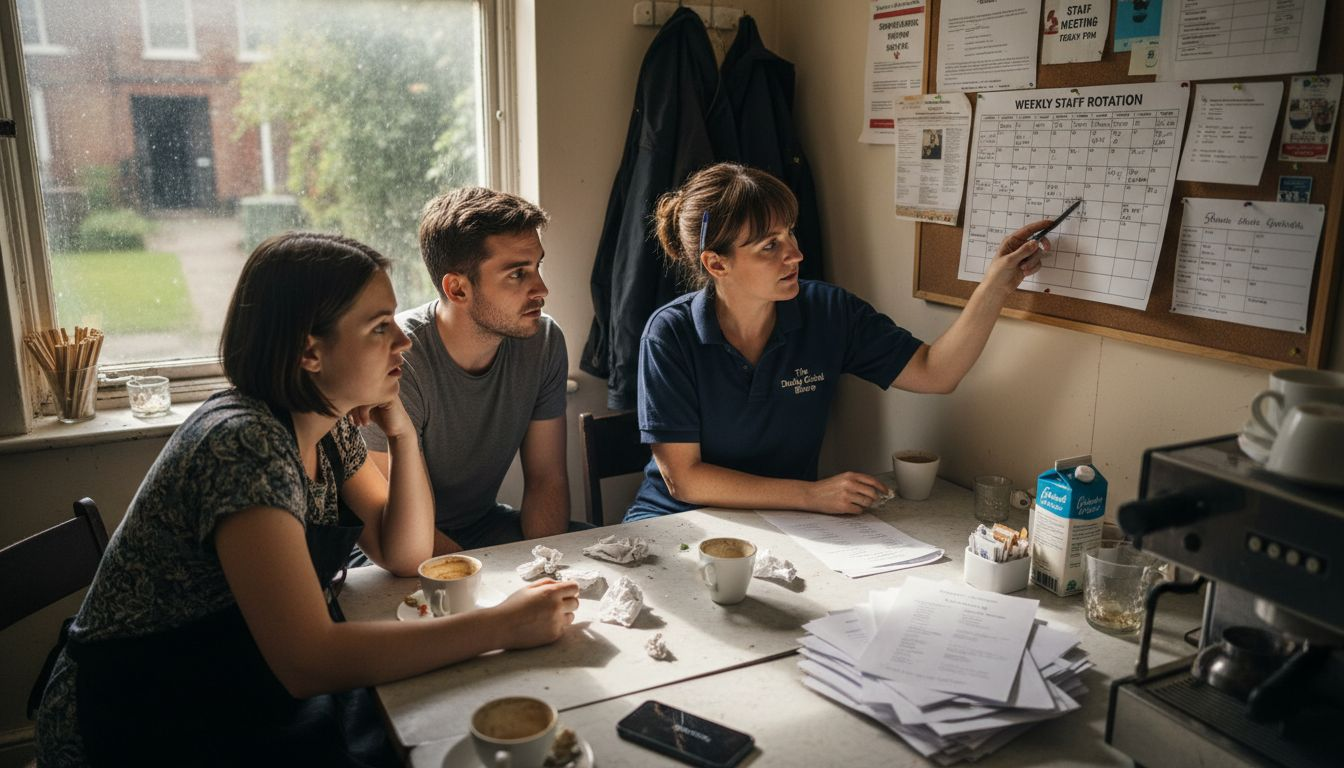
Automation also helps manage no-shows. By making confirmations and modifications easy for the guest, you get fewer “silent nos” and more usable notice to fill that table with a walk-in.
Features that matter during service
Focus on the tools your team will actually use during a rush. Prioritise these features:
- Live floor map: One-tap status updates.
- Configurable pacing rules: You control seating intervals and turn assumptions.
- Waitlist connectivity: See what’s turning to quote wait times honestly.
- Visible Guest Notes: Allergies and preferences at a glance.
- AI Forecasting: Reduce the gap between predicted and real turns. AI can help here significantly.
Risks, costs, and mistakes to avoid
The biggest hurdle isn’t the software cost; it’s the hidden cost of staff training. If the team doesn’t build the habit of updating statuses, the data becomes useless.
| Risk | Real-Life Scenario | Prevention |
|---|---|---|
| Workforce Resistance | “I’ll update it later” | Make updates part of the service rhythm. |
| System Failure | Tech goes down mid-service | Have a simple manual fallback plan. |
| Rule Errors | Overbooking or empty gaps | Review pacing rules weekly with real data. |
| Data Security | Guest info mishandled | Use secure customer databases. |
So what should you do next?
Start by mapping your floor flow during a busy service to see where visibility is lost. Set your turn times and pacing rules, then train the team on the “greet, seat, update” rhythm. Once the basics are solid, bring your bookings and waitlist under one roof with restaurant reservation management to truly take control of the room.
Frequently Asked Questions
What is real-time table availability in restaurants?
It’s a live view of table status that updates throughout service, allowing your team to make seating decisions based on live floor data rather than guesswork.
Do I need sensors or cameras to get real-time availability?
No. Most venues find massive success using a digital floor plan where staff update table statuses manually with a single tap. It’s about the shared view, not just the hardware.
How does this help reduce no-shows?
By integrating with automated reminders and easy modification tools, guests can cancel or change plans instantly, freeing up your availability for other diners.