How to Handle Group Bookings Efficiently for Restaurants
Over 65 percent of British restaurants now rely on digital booking systems to manage group reservations. With group dining a major driver of revenue, the efficiency of your reservation process can be the difference between seamless service and stressful bottlenecks. If you want to streamline operations and offer guests a smoother booking experience, this guide will walk you through proven steps for setting up and refining digital group reservations.
Table of Contents
Step 1: Set up digital booking systems for groups
Digital booking systems transform how restaurants manage group reservations. By implementing a robust computerised restaurant table booking system, you can streamline your reservation processes and enhance overall customer experience.
Begin by selecting restaurant reservation software that supports group booking functionality. Look for platforms offering custom booking forms, integrated payment options, and real-time floor management. The key is finding a system that allows detailed group reservation configurations like specifying party size, special requirements, and optional deposit payments. Most modern web-based restaurant booking platforms provide intuitive interfaces that make managing complex group bookings straightforward.
When setting up your digital booking system, configure specific group booking parameters. This includes establishing maximum group sizes, setting deposit requirements, and creating flexible booking windows. Implement clear guidelines about cancellation policies and ensure your system can send automated reminders to reduce no-shows. A well-configured digital booking system not only simplifies reservation management but also provides valuable data insights into your restaurant’s group booking patterns.
Pro Tip: Test your digital booking system thoroughly before going live, simulating various group booking scenarios to identify and resolve potential workflow issues.
With a strategic digital booking approach, you will transform how your restaurant handles group reservations.
Step 2: Customise booking forms and requirements
Customising your restaurant’s booking forms is critical for capturing essential group reservation details. With website booking form configurations, you can design a strategic approach that captures precise information while ensuring a smooth user experience.
Start by identifying the key information your restaurant needs for group bookings. This typically includes party size, contact details, preferred date and time, special dietary requirements, and any additional notes. Consider creating optional fields for specific requests like wheelchair accessibility, high chair requirements, or celebration notifications. Your booking form customisation should balance collecting necessary information without overwhelming potential guests with too many mandatory fields.
Develop clear requirements and validation rules for your booking form. Set realistic parameters like minimum and maximum group sizes, advance booking windows, and deposit requirements. Implement automated validation to prevent incomplete bookings and ensure your team receives comprehensive reservation details. Some restaurants also benefit from adding optional fields for special occasion notes or group preferences, which can help personalise the dining experience.
Pro Tip: Regularly review and refine your booking form based on customer feedback and actual reservation patterns.
A well designed booking form transforms your reservation process from basic transaction to strategic guest engagement.
Step 3: Manage deposits and confirmation processes
Managing deposits and confirmation processes is essential for reducing reservation uncertainty and protecting your restaurant’s revenue. Implementing strategic booking policies can significantly minimise potential financial risks associated with group reservations.
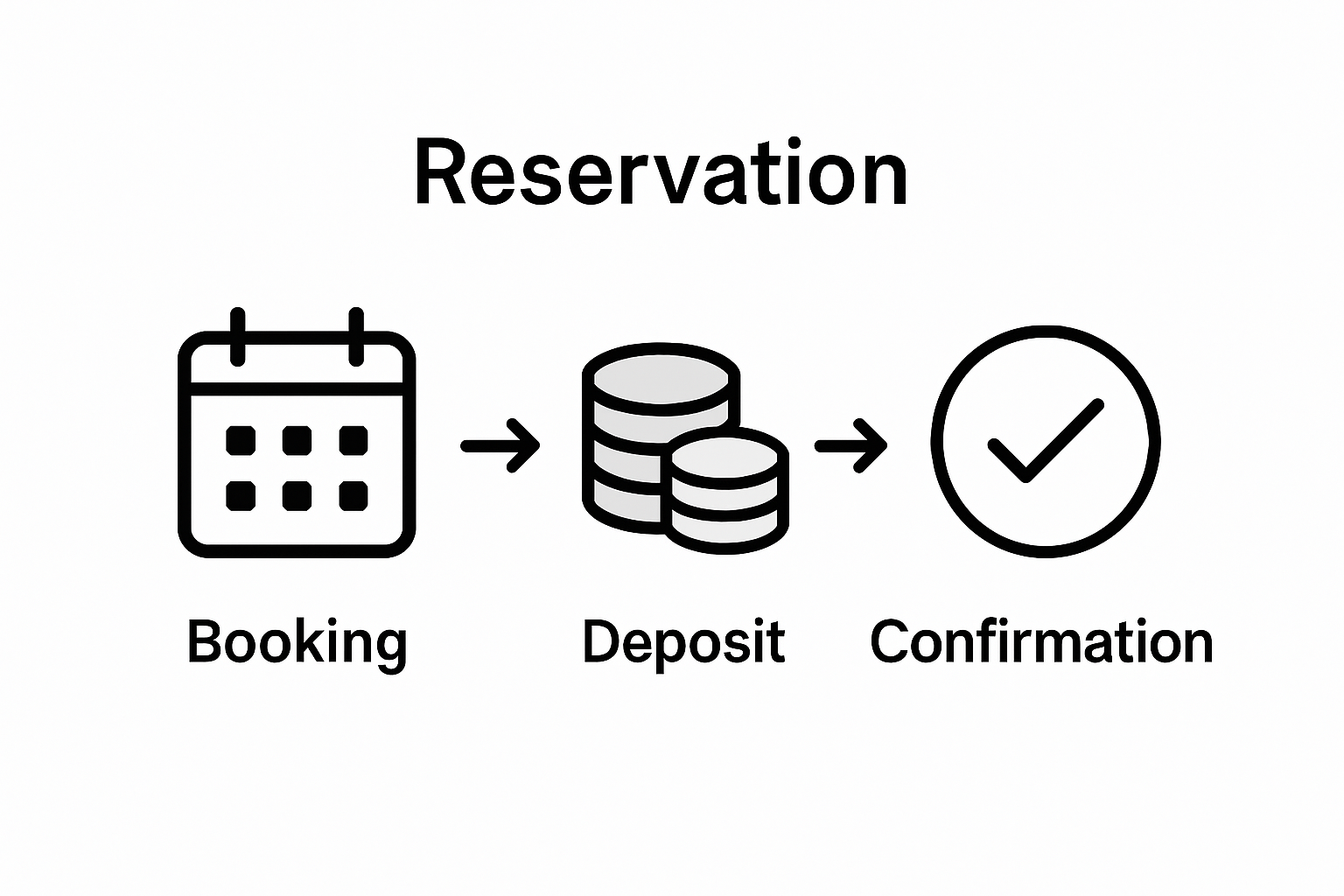
Consider establishing a clear deposit policy for group bookings. Typically this involves requesting a percentage of the total expected bill or a fixed amount per person when making a reservation. Effective strategies to reduce customer no-show probabilities demonstrate that deposits create a financial commitment that encourages guests to honour their booking. The deposit amount should be reasonable enough to deter cancellations without discouraging potential customers. Many restaurants opt for deposits ranging from 25% to 50% of the anticipated bill, particularly for larger groups or during peak dining periods.
Create a robust confirmation process that includes automated email and SMS reminders. Send initial confirmation immediately after booking, followed by reminder messages 48 hours and 24 hours before the reservation. These communications should include reservation details, deposit information, and clear cancellation policies. Include options for guests to modify or cancel their booking within a specified timeframe, which helps maintain flexibility while protecting your restaurant’s interests.
Pro Tip: Always provide clear, transparent information about deposit requirements and refund policies to build customer trust.
A well-managed deposit and confirmation system transforms uncertainty into predictable revenue management.
Step 4: Coordinate seating and staff allocations
Coordinating seating and staff allocations is a strategic process that directly impacts your restaurant’s operational efficiency and guest experience. Advanced scheduling models can help restaurants optimise their resource allocation with minimal manual intervention.
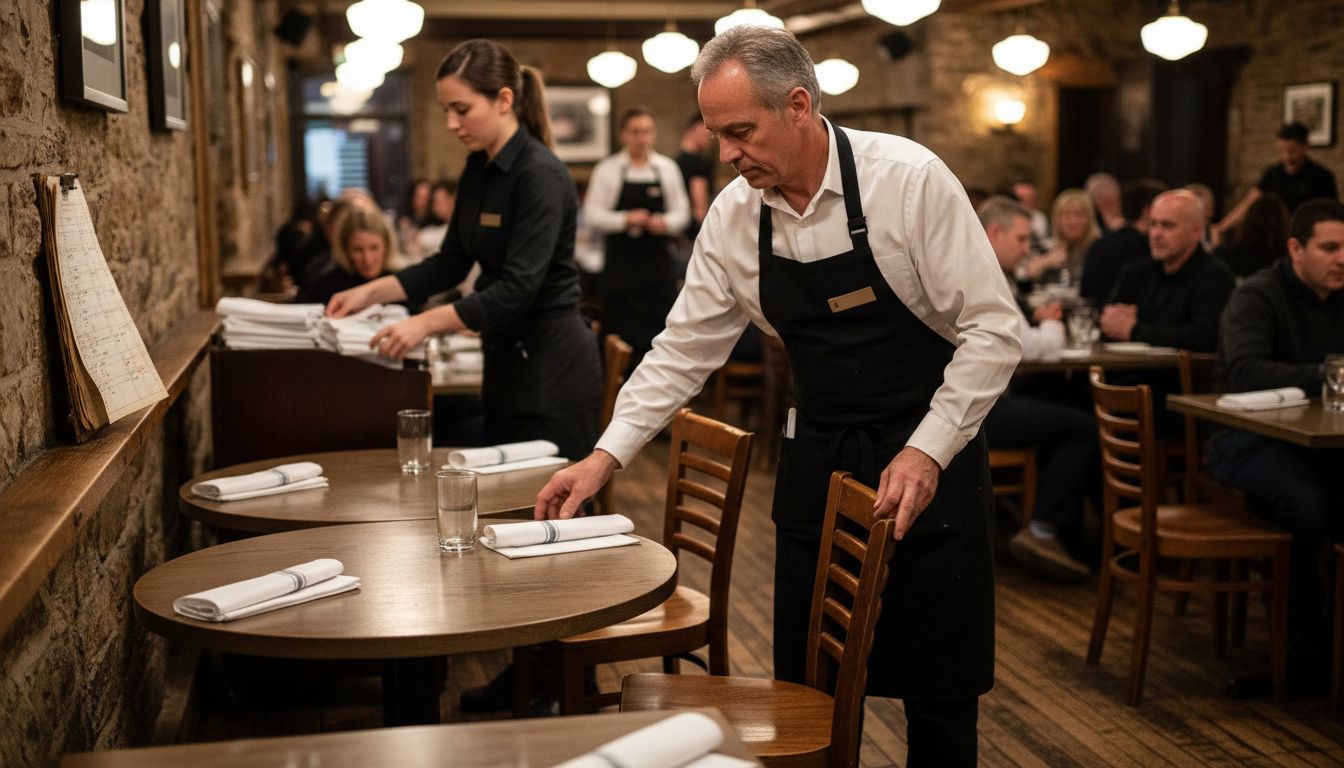
Begin by creating a comprehensive floor plan that maximises your restaurant’s seating capacity while maintaining comfortable spacing between groups. Use digital floor management tools that allow real time adjustments and provide visual representations of table configurations. Consider factors like group size, party dynamics, and potential server workload when assigning tables. Restaurant technology platforms now offer innovative solutions that increase visibility and help managers make more informed seating decisions.
Staff allocation requires careful planning to ensure smooth service during group bookings. Develop a staffing matrix that accounts for expected group sizes, anticipated dining duration, and server expertise. Cross train your staff to handle different types of group bookings and create flexible shift schedules that can adapt to varying reservation volumes. Implement a rotation system that prevents server fatigue and maintains consistent service quality across all group reservations.
Pro Tip: Always maintain a buffer of available staff during peak group booking times to handle unexpected scenarios.
Strategic seating and staff coordination transforms group dining from a logistical challenge into a seamless experience.
Step 5: Verify guest details and finalise arrangements
Group dining reservation dynamics require meticulous attention to detail to ensure a seamless experience. Verifying guest information and finalising arrangements is a critical step in managing successful group bookings.
Begin by conducting a comprehensive review of all group reservation details. Cross reference guest contact information, confirm total party size, review any special requirements or dietary restrictions, and validate the booking timeframe. Modern table reservation systems have transformed this process by enabling restaurants to capture and manage precise guest information efficiently. Confirm each guest has received a confirmation email or message with accurate reservation specifics including date, time, table allocation, and any prepayment or deposit details.
Contact the group organiser approximately 48 hours before the reservation to reconfirm attendance and handle any last minute changes. This proactive approach allows your restaurant to make real time adjustments to seating arrangements and staffing. Create a detailed internal document that summarises all group booking specifics including contact details, special requests, and any specific service requirements to ensure your team is fully prepared.
Pro Tip: Use digital communication channels to maintain clear and direct communication with group booking organisers.
Thorough verification transforms potential reservation uncertainty into a well orchestrated dining experience.
Streamline Your Group Bookings with Tableo for Seamless Restaurant Management
Handling group reservations can be complex with challenges like managing deposits, customising booking forms, and coordinating staff and seating. The article highlights common pain points such as reducing no-shows, verifying guest details, and ensuring smooth communication with organisers. These tasks demand a reliable digital solution that aligns with modern hospitality needs.
Tableo offers a comprehensive SaaS platform designed to solve these exact challenges. With features like custom booking forms, integrated deposit handling, automated email and SMS reminders, and digital floor plans, Tableo empowers your restaurant to transform group bookings into a predictable, efficient process. Experience enhanced operational efficiency and improved guest engagement when you choose a system built specifically for restaurants, bars, hotels, and cafes.
Take control of your group bookings today effortlessly by visiting Tableo. Discover how our platform can help you reduce no-shows, optimise seating and staff allocations, and create a personalised dining experience that keeps customers coming back. Don’t let complex reservations hold your business back.
Frequently Asked Questions
How can I set up an efficient digital booking system for group reservations in my restaurant?
To set up an efficient digital booking system, select a restaurant reservation software that supports group booking features. Configure parameters like maximum group sizes, deposit requirements, and clear cancellation policies to streamline the reservation process.
What key information should I capture in my restaurant’s booking forms for group reservations?
Capture essential details like party size, contact information, preferred date and time, and any dietary restrictions in your booking forms. Also, consider adding optional fields for special requests to enhance the guest experience without overwhelming them with mandatory fields.
How do I effectively manage deposits for group bookings?
Implement a clear deposit policy for group reservations, typically ranging from 25% to 50% of the expected bill. This policy creates a financial commitment for guests and can significantly reduce no-show rates, making it essential for protecting your restaurant’s revenue.
What steps can I take to coordinate seating and staff for group bookings?
Create a detailed floor plan that maximises seating while allowing comfortable spacing for groups. Develop a staffing matrix that adjusts for group sizes and dining duration to ensure smooth service, and consider cross-training staff to handle varying group booking dynamics.
How should I verify guest details before group reservations?
Verify all reservation details by cross-referencing contact information, party size, and special requests 48 hours before the booking. Proactively contacting the group organiser allows for any last-minute adjustments, ensuring a well-prepared and positive dining experience.
What are some best practices for sending confirmations and reminders for group bookings?
Send immediate confirmation emails once a booking is made, followed by automated reminders 48 hours and 24 hours before the reservation. Include all reservation details, including deposit information and cancellation policies, to keep guests informed and engaged.