Want Better Results? Use Your Restaurant Analytics the Right Way
You might be surprised to learn that your most popular menu item could actually be costing you money.
It’s something we see all the time. What sells the most isn’t always what makes you the most. Small inefficiencies, waste, and hidden costs quietly eat into your margins without you noticing.
This is exactly where restaurant data analytics steps in moving beyond gut feelings to reveal what’s actually happening on your floor and in your kitchen.
In 2026, running a successful restaurant isn’t just about great food; it’s about mastering the numbers that drive your operations, guest experiences, and overall profitability.
Table of Contents
The Building Blocks: What is Restaurant Analytics?
Think of analytics as the process of gathering the “noise” your restaurant creates every day from POS sales to inventory counts and turning it into a clear plan of action.
Every time a guest makes a booking through your restaurant reservation system or orders a round of drinks, they are giving you data.
To get started, we recommend focusing on a few core components:
- Sales Trends: Tracking patterns by daypart helps you pinpoint exactly when you need your “A-team” on the floor.
- Inventory & Waste: Systems that monitor stock levels help identify where prep waste is eating into your bottom line.
- Guest Sentiment: Feedback platforms capture how people feel, helping you adjust before a trend becomes a problem.
Tightening Operations and Boosting Your Margins
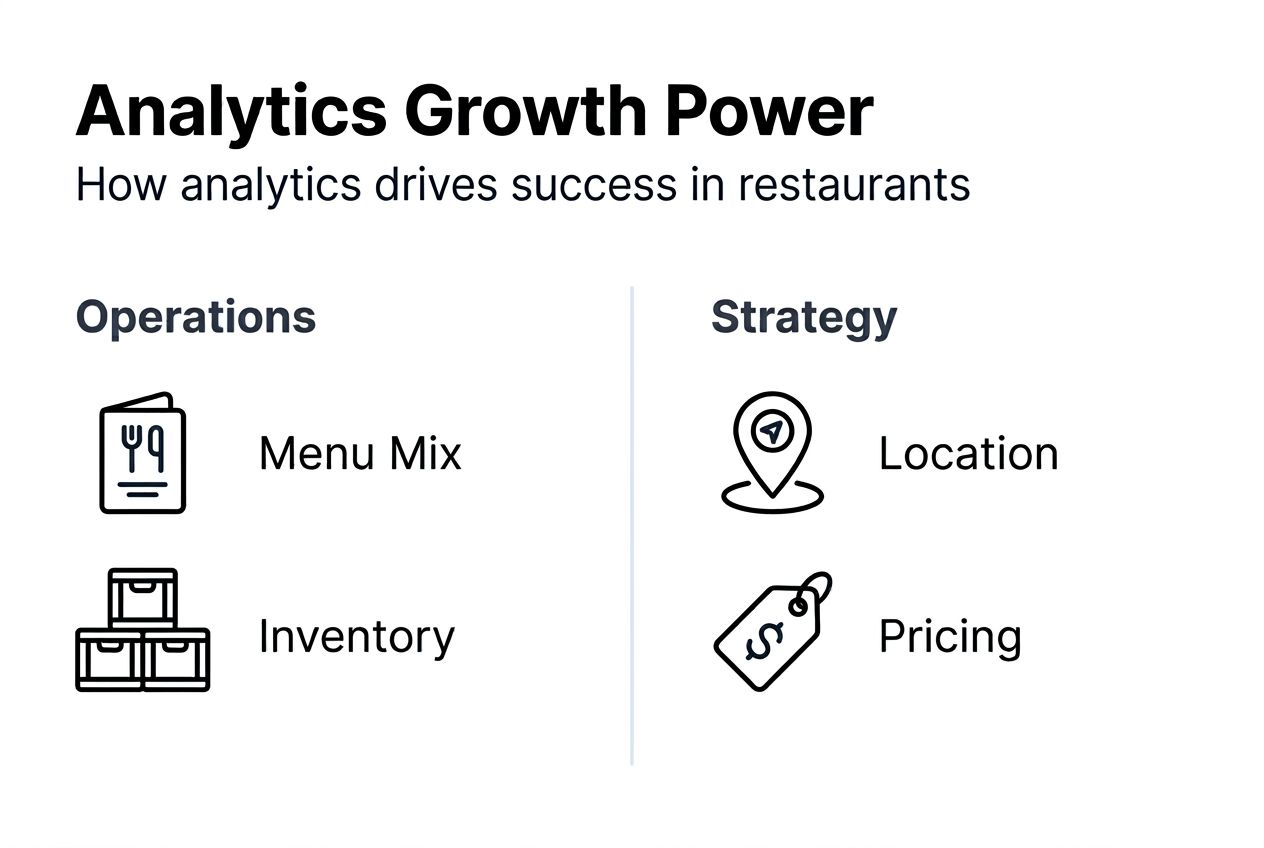
One of the biggest wins with analytics is menu engineering.
By diving into the data, you can identify your “stars” (high-profit, high-popularity) and rethink the items that are simply draining your resources.
When you implement AI for restaurants, you can often see food waste drop by up to 20%.

Labour is likely your biggest controllable expense. Data-driven scheduling can improve efficiency by 10-15% by matching your staff levels to actual predicted demand, rather than just using last year’s rota as a template.
Boosting restaurant revenue requires combining multiple data streams for comprehensive visibility.
Pro Tip: Combine customer reviews with sales data for balanced menu decisions that consider both popularity and guest satisfaction alongside profitability metrics.
Winning Guest Loyalty Through Smarter Personalisation
We know that guests return when they feel recognized. By connecting your restaurant customer loyalty data with order histories, you can create profiles that help you “surprise and delight” your regulars.
Remember: Restaurant Analytics can boost guest loyalty by as much as 25%.
It also makes the booking experience smoother.
Using customer data can increase satisfaction scores because it allows you to assign the right tables to the right parties and accurately predict wait times. No one likes waiting for a table that was promised twenty minutes ago, and data helps you stop that from happening.
Gaining a Competitive Edge for Future Growth
If you’re looking to expand, data is your best friend. Using demographic and foot traffic data can reduce the risk of picking a bad location, potentially boosting initial sales by up to 30% compared to just going with a “gut feeling”.
Furthermore, implementing restaurant management software allows you to benchmark your performance against industry standards. You’ll quickly see where you’re leading the pack and where you might need to tighten up your operations to stay ahead.
How to Start Your Data Journey Today
You don’t need a team of data scientists to get started. Most modern tools are designed for busy operators who need answers fast. At Tableo, we’ve built an integrated system that turns your bookings into actionable insights.
Whether you want to reduce no-shows or just understand your peak hours better, the right tech makes it simple. You can even start with a free system to begin capturing the data that will drive your success for years to come.
Frequently Asked Questions
How can small restaurants start with analytics?
Start small by tracking three things: daily sales per item, labour cost percentages, and guest feedback. Most modern POS systems have these reports ready to go. Review them weekly to spot patterns before they become problems.
How does data actually help reduce food waste?
By looking at prep quantities alongside actual sales velocity and spoilage, analytics helps you stop over-ordering perishables. It allows you to purchase with precision based on factors like the weather and local events.
What is the biggest risk of ignoring data?
The main risk is “invisible profit leaks”. Without data, you might not notice that a popular dish is actually losing you money, or that you’re consistently overstaffed on Tuesday afternoons. It leaves you reacting to problems rather than preventing them.

-
Previous Post
Want Better Guest Experience in Your Bar? Learn how