Digital Solutions for Hospitality: Complete Guide
Nearly 90 percent of hospitality businesses are adopting digital solutions to stay ahead in a competitive market. In restaurants, hotels, and cafes, technology is quickly becoming the backbone of daily operations. From reservation systems to intelligent communication tools, digital platforms are redefining guest experiences and streamlining complex tasks. This guide explains how digital restaurant management solutions drive efficiency and personalisation, helping venues deliver better service and achieve lasting success.
Table of Contents
Digital Solutions in Hospitality Defined
Digital solutions in hospitality represent technological innovations designed to transform traditional service models through strategic technological integration. These solutions leverage advanced digital technologies to streamline operations, enhance guest experiences, and provide more efficient management capabilities across restaurants, hotels, bars, and cafes. At the core of modern hospitality digital solutions are sophisticated platforms like restaurant reservation systems that fundamentally reshape how venues manage bookings, customer interactions, and operational workflows.
Key digital solutions in the hospitality sector typically encompass multiple technological domains:
Reservation Management: Advanced booking platforms with real-time availability tracking
Customer Engagement Tools: AI-powered messaging systems and personalised communication channels
Operational Analytics: Smart dashboards providing insights into performance metrics
Payment Integration: Seamless digital transaction systems
Guest Profile Management: Comprehensive customer database tracking preferences and history
The ultimate objective of these digital solutions is not merely technological replacement but creating more intelligent, responsive, and customer-centric hospitality environments that can adapt quickly to changing market dynamics and consumer expectations.
Types of Digital Hospitality Tools
Digital hospitality tools represent an expansive ecosystem of technological solutions designed to revolutionise operational efficiency and enhance guest experiences across various venues. Restaurant automation tools have become critical components that transform traditional service delivery models through sophisticated technological interventions. Modern hospitality digital tools typically encompass several key technological domains. Property Management Systems (PMS) serve as foundational infrastructure, managing critical front office operations, sales tracking, planning, and comprehensive reporting mechanisms. These systems integrate multiple functionalities, enabling venues to streamline complex administrative tasks with unprecedented precision. Contemporary digital platforms offer integrated solutions that combine multiple operational requirements:
Reservation Management Systems: Real-time booking platforms
Point of Sale (POS) Systems: Integrated payment and transaction tracking
Customer Relationship Management (CRM) Tools: Guest preference tracking and personalisation
Operational Analytics Platforms: Performance measurement and insights generation
Communication Management Systems: Centralised guest communication channels
The sophisticated landscape of digital hospitality tools continues to evolve, with emerging technologies promising more intelligent, responsive, and interconnected operational ecosystems that can adapt dynamically to changing market demands and consumer expectations.
How Digital Platforms Streamline Operations
Digital platforms have fundamentally transformed operational efficiency in the hospitality sector by integrating sophisticated technological solutions that automate and optimise complex business processes. Online tools for restaurant staff management represent a critical component of this technological revolution, enabling venues to streamline administrative tasks with unprecedented precision and effectiveness. Modern Point of Sale (POS) systems play a pivotal role in operational streamlining, integrating multiple technological components to track critical business metrics such as sales, labour allocation, and financial transactions. These intelligent systems enable real-time data capture and analysis, allowing hospitality businesses to make informed decisions quickly and efficiently.
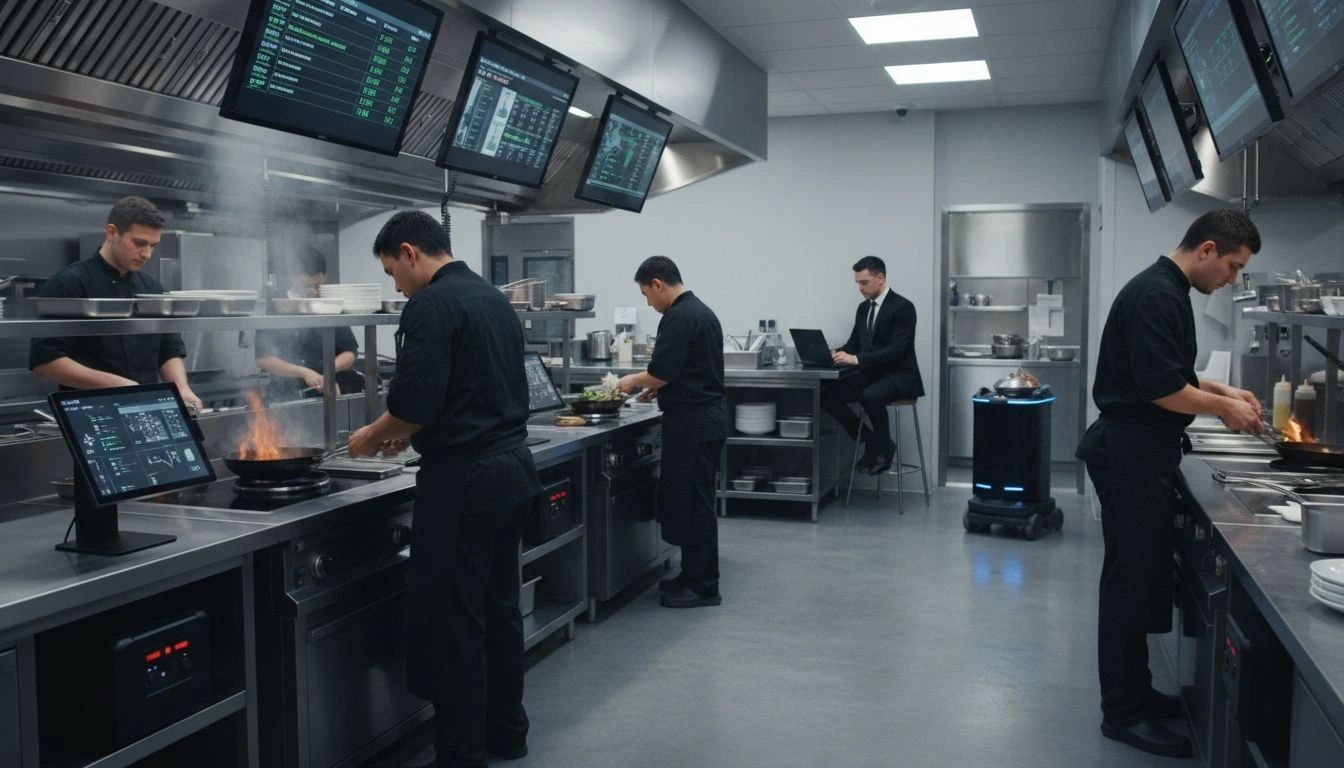
Key operational streamlining mechanisms include:
Automated Scheduling: Reducing manual workforce management
Real-time Inventory Tracking: Minimising waste and optimising stock levels
Performance Analytics: Generating actionable insights from operational data
Customer Interaction Management: Centralising communication and personalisation
Financial Reporting: Generating comprehensive economic performance metrics
The integration of digital platforms ultimately enables hospitality businesses to transform traditional operational models, creating more responsive, data-driven environments that can adapt swiftly to changing market dynamics and customer expectations.
Core Benefits for Restaurants and Hotels
Digital solutions have transformed hospitality operations by delivering comprehensive benefits that fundamentally reshape how restaurants and hotels manage their businesses. Strategies for boosting restaurant profitability demonstrate the tangible impact of technological innovations on financial performance and operational efficiency. The digitisation of hospitality services offers multiple strategic advantages that extend far beyond traditional operational frameworks. Competitive differentiation emerges as a critical outcome, with venues leveraging technology to create more personalised, responsive guest experiences. Research indicates that digital transformation significantly enhances customer engagement, operational productivity, and overall business competitiveness.
Key benefits for restaurants and hotels include:
Enhanced Customer Experience: Personalised interactions and seamless service delivery
Operational Efficiency: Reduced administrative overhead and streamlined processes
Real-time Data Insights: Immediate access to performance metrics and guest preferences
Cost Reduction: Minimised labour expenses and optimised resource allocation
Revenue Optimization: Improved booking management and dynamic pricing strategies
Ultimately, digital solutions provide hospitality businesses with unprecedented flexibility, enabling them to adapt rapidly to changing market conditions while maintaining high standards of customer satisfaction and operational excellence.
Costs, Challenges and Key Considerations
Digital transformation in hospitality presents a complex landscape of strategic investments and potential challenges that require careful navigation. Identifying and managing restaurant challenges becomes critical in understanding the nuanced implementation of technological solutions across different venue types.

Implementation costs represent a significant consideration for hospitality businesses contemplating digital solutions. Technological integration demands substantial financial investment, including software procurement, hardware upgrades, staff training, and potential workflow redesign. Research highlights multiple challenges hindering widespread digital technology adoption, including implementation expenses, staff skill development, and seamless technological integration.
Key challenges and considerations include:
Initial Investment Costs: Significant upfront expenditure for software and hardware
Staff Training Requirements: Comprehensive training programmes to ensure technological proficiency
Integration Complexity: Potential disruptions during technological transition
Data Security Concerns: Protecting sensitive customer and operational information
Scalability Limitations: Ensuring technology can adapt to business growth
Successful digital solution implementation demands a strategic approach that balances technological potential with practical organisational constraints, emphasising careful planning, incremental adoption, and continuous staff development.
Transform Your Hospitality Business with Smart Digital Solutions
The article outlines the clear challenges hospitality venues face such as managing complex reservation systems, reducing no-shows, and optimising operational efficiency through technology. Pain points like costly manual processes and the need for real-time guest engagement highlight the importance of adopting intelligent platforms that deliver personalised, data-driven experiences. Concepts such as reservation management, AI-powered communication, and guest profile tracking are essential for creating seamless, customer-centric environments. Tableo is purpose-built to address exactly these challenges. With features like digital floor plans that simplify booking workflows, AI-assisted messaging to improve guest interactions, and integrated payment options to reduce cancellations, Tableo equips restaurants, bars, hotels, and cafes with tools that automate and elevate daily operations. These smart solutions not only enhance guest satisfaction but also provide valuable insights for better decision-making. Explore how our platform can help you overcome operational hurdles and boost profitability. Take control of your bookings and guest experience today by visiting Tableo and discover tailored solutions that fit your hospitality needs.
Looking for the right technology to revolutionise your reservation management?
Start transforming your hospitality operations now with Tableo’s comprehensive platform.
Frequently Asked Questions
What are digital solutions in the hospitality industry?
Digital solutions in hospitality refer to technological innovations that enhance service models through strategic integration of technology, streamlining operations, and improving guest experiences across venues like hotels, restaurants, and cafes.
What types of digital tools are commonly used in hospitality?
Common digital tools in hospitality include Property Management Systems (PMS), Reservation Management Systems, Point of Sale (POS) Systems, Customer Relationship Management (CRM) tools, and Operational Analytics Platforms, all designed to optimise various operational aspects.
How do digital platforms improve operational efficiency in hospitality?
Digital platforms improve operational efficiency by automating and optimising processes, enabling real-time tracking of sales and inventory, and providing actionable insights through performance analytics, ultimately leading to quicker decision-making and reduced administrative overhead.
What are the key benefits of implementing digital solutions in restaurants and hotels?
The key benefits include enhanced customer experiences through personalised service, increased operational efficiency, access to real-time data insights for informed decision-making, cost reductions in resource allocation, and optimised revenue management through better booking strategies.


-
Previous Post
Smart Ways to Use Restaurant Floor Plans


